Sensory-Friendly Home Guide for Autism
Have you ever walked into a room and felt instantly overwhelmed by the buzz of a refrigerator? Do bright overhead lights make you feel physically tired or irritable? For many people on the autism spectrum, the home is not always the sanctuary it should be. Instead, it can feel like a place of constant sensory "noise" that drains your energy. How can you transform your living space into a calm retreat that supports your needs?
Start by understanding your sensory traits. Adults exploring their identity or parents supporting a child can gain clarity with our test. You can take the test on our homepage to get a better sense of your specific sensory profile. This guide will show you how to use those insights to build a home that feels safe, quiet, and comfortable.
Let’s explore practical ways to adjust your environment—starting with lighting and sound. From the fabrics on your sofa to the bulbs in your ceiling, small changes lead to a much higher quality of life.
Creating Your Sensory-Friendly Foundation
Before you start buying new furniture or painting walls, you need a plan. A sensory-friendly home is not about following a single design trend. Instead, focus on matching your environment to how your brain processes the world. Every person has different "triggers" and "comforts," so your foundation must be personal.
Understanding Your Sensory Profile
The first step in any home modification is to understand your sensory profile. Hypersensitive people feel sensory input too strongly. For them, a ticking clock might sound like a hammer. Hyposensitive people need more input to feel regulated. They might enjoy heavy blankets or bright, engaging colors.
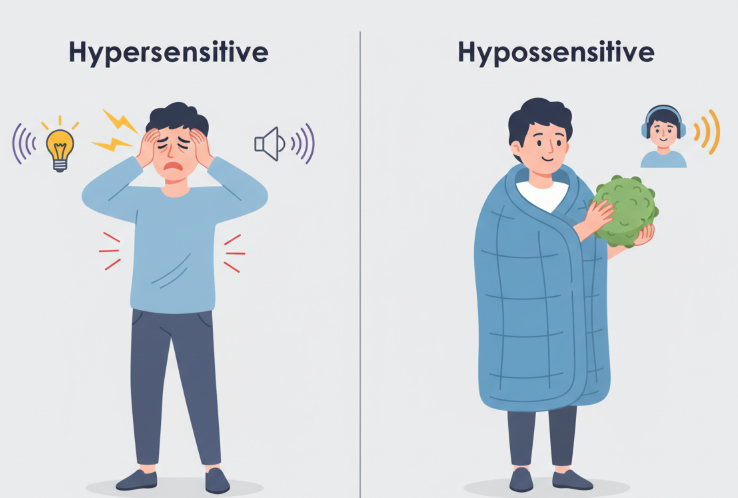
Most people are a mix of both. You might hate bright lights but love the feeling of soft velvet. To get a clear picture of your traits, using an autism test can provide a scientific starting point. Our AI-driven reports help you identify whether you struggle more with auditory, visual, or tactile input. Once you have this "map" of your senses, you can make decisions that actually work for you.
Assessing Your Current Environment
Once you know your profile, perform a "sensory audit" of your home. Walk through each room with a notebook. Spend five minutes sitting quietly in each space. Ask yourself these questions:
- What is the loudest sound I can hear right now?
- Is there a smell that bothers me, like cleaning products or old carpet?
- Do the colors in this room feel "loud" or distracting?
- Are there textures on the chairs or floor that I avoid touching?
Write down the "hot spots" where you feel the most stress. Usually, the kitchen and the bedroom are the most important places to start. The kitchen is often full of smells and sounds. The bedroom needs to be the ultimate place for rest.
Lighting Adjustments for Visual Sensitivity
Visual sensitivity is common among neurodivergent individuals. Many autistic people find that standard lighting is too harsh. It may even have an invisible "flicker" that causes headaches and anxiety.
Natural Light Optimization
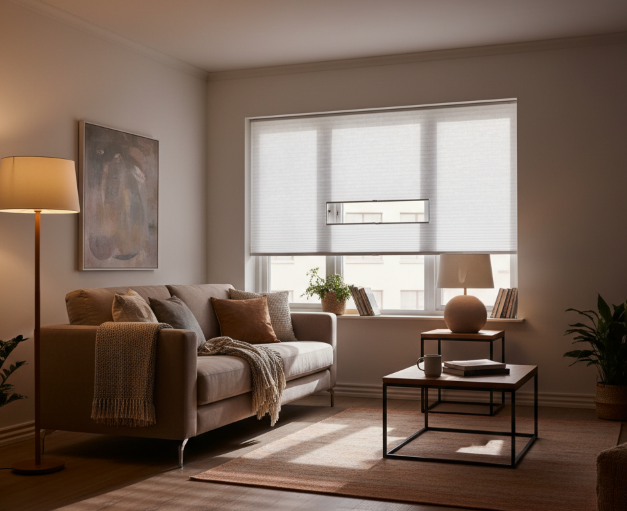
Natural light boosts mood but can overwhelm. Direct sunlight often causes glare or harsh hot spots. To manage this, consider using "top-down, bottom-up" shades. These allow you to block the glare at eye level while still letting light in from the top of the window.
If you find sunlight too intense, window films are an excellent, affordable solution. You can apply a frosted or tinted film to your glass. This softens the light coming in without making the room completely dark. It creates a soft "glow" that is much easier on the eyes than a sharp beam of sun.
Artificial Light Solutions
Standard fluorescent bulbs and cheap LEDs are often the biggest enemies in a sensory-friendly home. They emit a cool, blue light that mimics daylight. This can be very taxing for the brain. Instead, switch to "warm white" bulbs. Look for bulbs with a "dim-to-warm" feature to lower the intensity as evening approaches.
Whenever possible, avoid overhead lighting. Use floor lamps or table lamps to control the direction of the light. Indirect lighting—where the light bounces off a wall or ceiling—is much softer than a bare bulb. If you want to dive deeper into how your brain reacts to these environments, our online tool can help you explore your visual processing traits.
Sound Control Strategies
Auditory sensitivity can make a home feel like a battlefield. Sounds that most people "tune out" can be impossible for an autistic person to ignore. This includes the hum of the air conditioner or the sound of neighbors talking.
Creating Quiet Zones
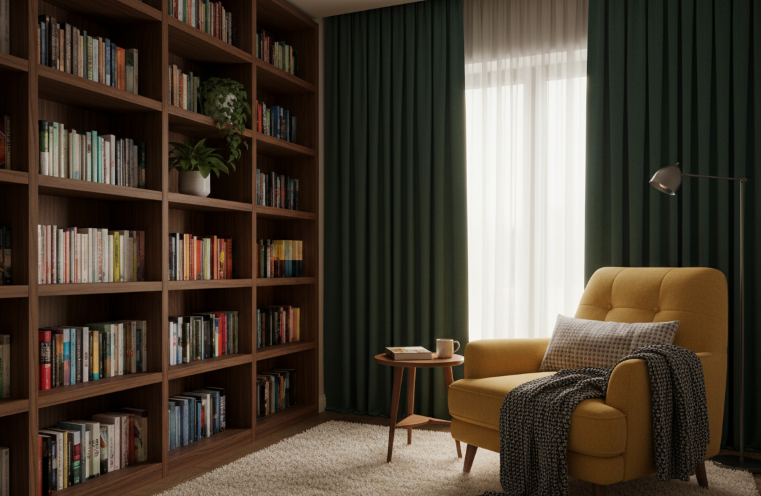
Every sensory-friendly home needs at least one "Quiet Zone." This is a space where sound is intentionally muffled. You don't need a soundproof recording studio to achieve this. Soft materials are your best friend.
- Use thick area rugs to dampen the sound of footsteps.
- Hang heavy curtains over windows to block street noise.
- Place bookshelves against shared walls to act as a sound buffer.
In this zone, the goal is to reduce "reverb" or echoes. A room with bare walls and wooden floors will always sound louder than a room with fabric and books. Even adding a few decorative acoustic panels can make a massive difference in how calm a space feels.
Managing Background Noise
Some background noise is unavoidable. In these cases, try to mask the annoying sounds with "good" sounds. White noise machines or fans provide a consistent, predictable sound. This covers up the sudden noise of a car horn or a barking dog.
For those who are very sensitive, close the gaps under doors with "draft stoppers." This blocks sound from traveling between rooms. If you frequently feel overwhelmed by noise, it might be a sign of high auditory processing sensitivity. You can start your test today to see if this is a core part of your sensory profile.
Textile and Touch Considerations
The "feel" of a home is just as important as the look. Tactile defensiveness occurs when certain textures feel painful or "wrong." This can make it hard to relax on your own sofa or sleep in your own bed.
Fabric Selection Guide
When choosing furniture or bedding, prioritize natural fibers. Synthetics like polyester can sometimes feel "plastic-y" or scratchy. Cotton, linen, and bamboo are usually safer bets. They breathe well and feel soft against the skin.
If you are a parent, pay close attention to tags and seams. Many children on the spectrum find a small tag or a rough seam to be unbearable. Removing tags and choosing "seamless" or "stonewashed" fabrics can prevent sensory meltdowns.
Furniture and Surface Modifications
The physical shape of your furniture matters. For many, "firm" furniture provides a sense of security and grounding. Others prefer the "deep pressure" of a bean bag chair or a weighted blanket. Weighted blankets provide proprioceptive input. This helps the brain feel where the body is in space, which has a naturally calming effect on the nervous system.
Avoid surfaces that feel cold or sticky. Metal chairs can be a shock to the system in the morning. Using fabric covers or cushions can make these items much more accessible.
Your Sensory Sanctuary: Next Steps
Building a sensory-friendly home is a journey of self-discovery. It is not about making your house look like a clinic; it is about making it feel like you. By adjusting your lighting, controlling sound, and choosing the right fabrics, you create an environment where you can finally recharge.
Embrace these changes as part of your journey. Your home should reflect you, not a checklist. We know sensory overload can feel isolating—these adjustments are your first step toward peace.
Remember, the best modifications are the ones that address your specific needs. What works for one person might not work for another. This is why having a clear understanding of your own traits is so vital. If you haven't yet explored your sensory profile, we invite you to use our tool to get started. Our AI-powered reports give you the deep insights you need to make these home changes with confidence.
Take it one room at a time. Start with where you spend the most time, and listen to what your body tells you. Your home should be the one place in the world where you don't have to "mask" or struggle against your surroundings.
The Takeaway
How do I know which sensory sensitivities to address first?
It is best to address the sensitivity that causes you the most daily stress or "drain." For most people, this involves lighting or sound in the bedroom. If you aren't sure where your biggest challenges lie, taking an autism test can help you rank your sensitivities. Start with the "hot spots" you identified in your sensory audit—usually the places where you feel most irritable or tired.
Can a sensory-friendly home help reduce autism-related meltdowns?
Yes, absolutely. Meltdowns are often the result of "sensory overload," where the brain can no longer process the input it receives. By lowering the baseline of noise, light, and tactile stress in the home, you give the nervous system more "breathing room." This makes it much easier to handle the stresses of the outside world.
Are these modifications expensive or difficult to implement?
Not at all. While you can spend a lot on high-end acoustic panels, many of the most effective changes are free or cheap. Moving a rug, changing a lightbulb, or removing tags from clothing costs very little. Sensory-friendly living is about the arrangement of your environment more than the price of your furniture.
How can I involve my autistic child in creating their sensory-friendly space?
Involvement is key to success! Give your child choices between two textures or two types of light. Let them help you pick out a "calm-down corner" kit with items they like. Since sensory needs can change, check in with them regularly to see if a certain sound or light has started to bother them.
Will these changes help visitors who aren't autistic?
Actually, yes. Almost everyone benefits from softer lighting, less background noise, and more comfortable furniture. A sensory-friendly home often feels more "intentional" and peaceful to everyone who enters. While the changes are designed for neurodivergent needs, they create a universal sense of calm that most guests will appreciate.