Living with Undiagnosed Autism: Self-Management Strategies That Work
Many adults silently carry the feeling of being "different" for decades. You might struggle with tasks others find easy. Social gatherings could leave you drained, or loud noises might overwhelm you more than peers. If you've ever wondered why your brain works differently, you're not alone.
Many people find themselves in a "gray area" where they suspect they have autism but don't have an official diagnosis. Maybe you recently took an autistic test and saw a high score. This can be a confusing moment, but it's also the first step toward a better life. Understanding your neurotype allows you to stop fighting against your nature and start working with it.

How do I manage my life if I think I'm autistic? This guide offers practical, evidence-based strategies to help you manage daily challenges. Whether you seek a formal diagnosis later or choose to self-identify now, these tools will help you embrace your unique way of seeing the world. To begin your journey, you can start your test to gain a clearer picture of your specific traits.
Understanding Your Neurotype - Beyond the Test Score
Taking an online screening tool is often the "lightbulb moment" for many adults. It provides a vocabulary for experiences that previously felt like personal failures. However, a score is just a number. Understanding the "why" behind those scores is what leads to real change.
View autism as a neurotype: a unique way your brain processes information. This reframes it from a symptom checklist to a natural variation. Instead of looking for what's "wrong," you're looking at how your specific hardware functions.
What High Screening Scores Really Mean
If you receive a high score on an autistic spectrum disorder test, it indicates that you share many traits with people on the autism spectrum. These tools look at patterns in how you socialize, communicate, and perceive the world. A high score isn't a medical diagnosis, but it's a powerful indicator. It suggests that your brain likely processes sensory input and social information in a unique way.
Many adults feel a sense of relief when they see their results. It confirms that their struggles aren't due to being "lazy" or "difficult." Instead, their brain is simply wired differently. Using an online screening tool helps you identify specific areas—like sensory sensitivity or social communication—where you might need extra support.
The Power of Self-Identification
In the neurodiversity community, self-identification is widely respected. Many adults face barriers to formal diagnosis, such as high costs or long waiting lists. Choosing to identify as neurodivergent allows you to access a community of people who share your experiences. It gives you permission to use neurodivergent self-care strategies without waiting for a doctor's note.
Self-identification is about more than just a label. It's about self-compassion. When you accept that you're living with autism traits, you can stop forcing yourself to fit into "normal" boxes. You can start asking for what you need, such as a quiet workspace or more time to process information. This shift in mindset is a vital part of adult autism coping skills.
Creating Sensory-Friendly Environments
For many autistic adults, the world is too loud, too bright, and too fast. Sensory processing issues can lead to "meltdowns" or "shutdowns." These feel like extreme exhaustion or emotional overwhelm. Learning to manage your environment is one of the most effective autism self-management strategies. By adjusting your surroundings, you reduce the "background noise" your brain has to process every day.
Home Modifications for Sensory Regulation
Your home should be a sanctuary where your nervous system can rest. You don't need to spend a lot of money to make your home sensory-friendly. Start by looking at your lighting. Many neurodivergent people find overhead fluorescent lights painful. Switching to warm lamps or using dimmable bulbs can significantly lower your stress levels.
Consider your tactile environment as well. If certain fabrics on your sofa or bed feel "scratchy," replace them with textures that feel safe. Creating a "sensory corner" with a weighted blanket, noise-canceling headphones, and soft pillows can give you a place to recover after a long day. Small changes in home modifications for sensory regulation create a foundation for better mental health.

Portable Sensory Tools for Out and About
The outside world is harder to control than your home, but you can carry "sensory armor" with you. Adult autism coping skills often involve building a kit of tools to manage public spaces. Noise-canceling headphones or discreet earplugs are life-changing for many. They allow you to navigate grocery stores or public transport without being overwhelmed by noise.
Other useful tools include:
- **Fidget or stim toys: Small items to keep your hands busy can help regulate your nervous system.
- Sunglasses: These help with harsh indoor lighting or bright sun.
- Scented oils: If strong public smells bother you, a familiar scent on your wrist can provide a "sensory anchor."
By having these tools ready, you increase your confidence when leaving the house. You know that if things get too intense, you have a way to cope.
Social Navigation Without Masking
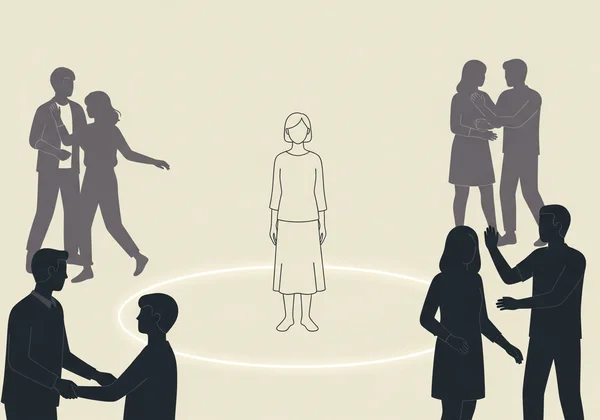
"Masking" is the process of hiding your autistic traits to fit in with neurotypical people. While it helps you "pass" in social situations, it's incredibly exhausting. Over time, constant masking leads to burnout. Learning social navigation without masking means finding a balance where you can be yourself while still connecting with others.
Setting Boundaries That Work for You
One of the best undiagnosed autism tips is to learn how to say "no" to social demands that drain you. You don't have to attend every party or stay for the entire duration of an event. Setting boundaries is a form of self-preservation. For example, you might tell friends, "I'd love to see you, but I can only stay for an hour because I need to rest my brain."
Boundaries also apply to how you communicate. If you find eye contact difficult or find it hard to follow "small talk," it's okay to let people know. You might say, "I listen better when I'm looking at something else." Most people are happy to accommodate your needs if you explain them clearly. This reduces the pressure to perform and makes social interactions more authentic.
Communication Strategies That Reduce Social Fatigue
Social fatigue happens because your brain is working overtime to decode social cues. You can reduce this fatigue by using specific communication strategies. One method is to use "scripts" for common situations. Having a pre-planned way to start or end a conversation takes the guesswork out of the interaction.
Another tip is to choose "low-stakes" social environments. Activities centered around a shared interest—like a book club, a gaming group, or a craft class—are often easier for autistic adults. The focus is on the activity rather than the social performance. If you want to explore your traits further, look at how you communicate during these activities versus high-pressure parties.
Building Routines That Honor Your Neurotype
Structure is a powerful tool for the autistic brain. A good routine reduces "executive function" load. This is the mental energy required to plan and execute tasks. However, many people try to follow rigid schedules that don't actually fit their needs. The goal is to build a routine that supports your energy levels rather than one that drains them.
Executive Function Hacks for Daily Tasks
Executive dysfunction can make starting a task feel impossible. To overcome this, try "body doubling"—working alongside someone else, even virtually. You can also break chores down into micro-steps. Instead of "clean the kitchen," your first step might simply be "put three forks in the dishwasher." This lowers the barrier to entry for your brain.
Using Visual Aids to Reduce Mental Load
Visual aids provide a constant external reminder of what needs to happen. Use tools like whiteboards or apps to offload mental tasks. This frees your brain for creativity or rest. When you use autism self-management strategies like visual scheduling, you stop wasting energy trying to remember your to-do list.
Energy Management: The Key to Sustainable Living
Many people in the neurodivergent community use the "Spoon Theory" to manage energy. Imagine you start each day with a certain number of "spoons" (units of energy). Every task, from showering to answering an email, costs a spoon. If you use all your spoons by noon, you'll crash.
Energy management involves:
- Identifying "spoon-draining" tasks (like phone calls or loud offices).
- Identifying "spoon-saving" tasks (like listening to music or stimming).
- Planning your week so you don't have too many draining tasks in one day.
When you manage your energy instead of your time, you avoid the cycle of "pushing through" and then burning out. This is the heart of neurodivergent self-care.
Living Authentically: Embracing Your Needs
Living authentically with undiagnosed autism means rewriting the rules to fit your needs. As you embrace these strategies, the world becomes a bit easier to navigate. You begin to see that your brain isn't broken—it's just different.
The journey of self-discovery is ongoing. Whether you choose to seek a formal diagnosis or continue with self-identification, the most important thing is that you treat yourself with kindness. You deserve to live a life that accommodates your needs and celebrates your strengths.
If you're ready to take the next step, our free online test is here to help. By completing the screening, you can opt for a personalized analysis that dives deep into your specific patterns and provides actionable advice. Understanding yourself is the first step toward a richer, more fulfilling life.
The Takeaway
Can I benefit from these strategies even if I'm not sure if I'm autistic?
Many people find these strategies helpful—regardless of diagnosis—because they prioritize sensory and emotional needs. Most of these techniques, such as sensory regulation and energy management, are helpful for anyone who feels overwhelmed or "different." You don't need a label to justify taking care of your nervous system. You can start your test to see if these traits align with your experience.
How do I explain my needs to others without a formal diagnosis?
You don't have to use the word "autism" if you're not comfortable. You can simply describe your needs as "sensory preferences" or "working styles." For example, say, "I work much better in a quiet environment with low lights," or "I find it easier to process information via email rather than phone calls." Focus on the solution rather than the label.
Are these strategies evidence-based?
Many of these strategies are based on common practices in occupational therapy and psychology for neurodivergent individuals. Concepts like sensory regulation, masking awareness, and executive function support are widely recognized by experts as effective ways to manage living with autism traits. Our clinically informed screening tool is also based on established scientific questionnaires like the AQ-50.
What if these strategies don't work for me?
Autism is a spectrum, and what works for one person might not work for another. It's important to experiment and be patient. If a specific sensory tool or routine feels stressful, discard it and try something else. The goal is to find what makes you feel safe and empowered.
How do I find support without a diagnosis?
There are many online communities, forums, and social media groups dedicated to "self-identified" autistic adults. These spaces are often very welcoming and provide a wealth of shared lived experience. Additionally, many therapists now work with a "neuro-affirming" approach. This means they'll support you based on your reported traits even without a formal medical report. Starting with an autistic test can give you the data you need to start these conversations.