Do Autistic People Know They Are Autistic: Understanding Signs & Self-Awareness
Have you ever felt like everyone else received a manual for social interaction, but you were skipped? For many, this isn't just a fleeting thought; it is a lifelong reality. A common question we hear is: do autistic people know they are autistic? The answer is complex. While some individuals receive a diagnosis early in childhood, a significant number of adults live for decades sensing they are "different" without understanding why.
They often attribute their struggles to anxiety, introversion, or simply being "quirky." If you are reading this, you might be questioning your own experiences or those of a loved one. You are not alone in this journey. This guide will explore why self-awareness of autism can be elusive, the internal signs often missed by doctors, and how you can safely explore our autism test to gain clarity.

The Distinction: Feeling "Different" vs. Knowing You're Autistic
There is a profound difference between having a medical label and having a visceral sense of being an outsider. To answer the core question—do autistic people know they are autistic—we must look at what they do know. Most undiagnosed autistic adults are acutely aware that they process the world differently than their peers, even if they lack the terminology to describe it.
The Pervasive Sense of Alienation
For many, the experience is described as "Wrong Planet Syndrome." You might feel like an anthropologist on Mars, constantly observing others to figure out the local customs.
- Social Disconnect: You might wonder why small talk seems effortless for others but exhausting for you.
- Sensory sensitivity: You might notice sounds or textures that others completely ignore.
- Misinterpretation: You may frequently feel misunderstood, regardless of how carefully you choose your words.
Why the Term "Autism" is Often Missed Until Adulthood
Historically, autism was viewed through a very narrow clinical lens, focusing primarily on young boys with visible speech delays. If you had average or high intelligence and could speak, you likely flew under the radar.
Consequently, many adults grew up believing their traits were character flaws rather than neurodivergent differences. They knew they were different, but they didn't know they were autistic.
Can You Be Autistic and Not Know It? (The Hidden Spectrum)
Yes, can you be autistic and not know it? Absolutely. In fact, we refer to this group as the "Lost Generation." These are adults who grew up before the diagnostic criteria expanded to include Asperger’s and pervasive developmental disorders (now consolidated under ASD).
The "Lost Generation" of Adults
Many adults currently in their 30s, 40s, and beyond were never screened. In school, they might have been labeled as "gifted but shy," "disruptive," or "anxious." Without a framework to understand their neurotype, they developed their own coping mechanisms.
Intelligence as a Camouflage
High intelligence can often mask challenges. If you are highly verbal or excel academically, you might use your intellect to solve social equations that others solve intuitively. This intellectual compensation can hide the underlying autistic traits from teachers, parents, and even yourself, delaying the realization of do autistic people know they are different in a clinical sense.
The Role of Masking: Hiding Your Traits from the World (and Yourself)
One of the most significant barriers to self-awareness is masking. Masking, or social camouflaging, is the conscious or unconscious suppression of natural autistic responses to fit in.
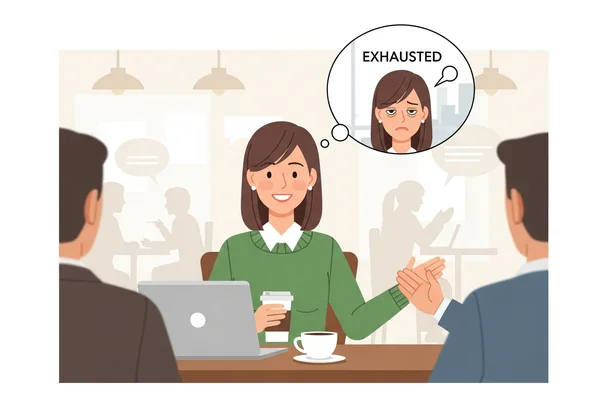
What Social Mimicking Looks Like in Daily Life
Masking is a survival strategy. It might look like:
- Forcing eye contact even when it feels physically uncomfortable.
- Scripting conversations before they happen to avoid awkwardness.
- Mimicking the gestures, tone, and facial expressions of peers to appear "normal."
Can You Mask So Well You Hide It From Yourself?
Over time, masking becomes a reflex. You might mask so effectively that you lose touch with your authentic self. This is why many people ask, "do autistic people know they are autistic?" If the mask is thick enough, even the person wearing it might believe it is their true face. However, the energy cost is high, often leading to autistic burnout or unexplained exhaustion.
Signs of Autism in Adults: The Internal Experience
When you search for signs of autism in adults, you often find lists of behaviors observed by doctors. However, the internal experience is far more telling than external observation. To understand if you might be on the spectrum, look at how you feel, not just how you act.
Sensory Overload and "Social Hangovers"
Do you feel physically drained after social events? This isn't just introversion; it is often a "social hangover."
- Sensory Processing: Bright lights, ticking clocks, or tight clothing might cause irritation or pain.
- Recovery Time: You may need hours or days of solitude to regulate your nervous system after interacting with others.
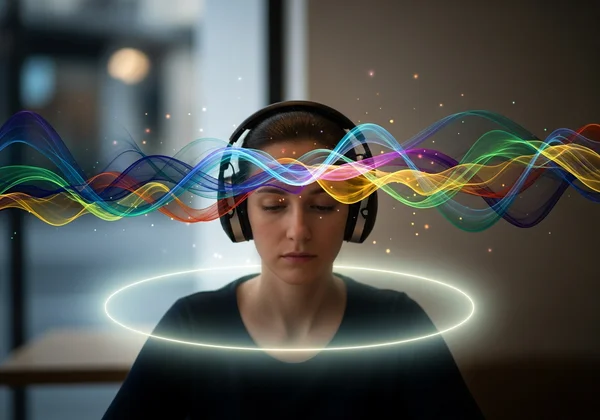
Deep Focus and Special Interests
This is sometimes called "Monotropism." You might find it difficult to switch tasks because your brain locks onto a subject of interest with intense focus. While this can be a superpower, it can also make interruptions physically painful. For a deeper dive into these traits, you can read our comprehensive autism test guide.
Misunderstandings in Communication
You might find that people often think you are being rude, blunt, or argumentative when you are simply trying to be factual. The disconnect between your intent and their interpretation is a common internal struggle for undiagnosed adults.
From Uncertainty to Clarity: Exploring Your Traits
If the sections above resonate with you, you might be moving from a state of confusion to one of curiosity. Transitioning from "I feel different" to "I might be autistic" is a significant step.
Why Validating Your Experience Matters
Understanding your neurotype isn't about limiting yourself with a label; it's about liberation. It explains why you struggle with certain things and where your unique strengths lie. It shifts the narrative from "I am broken" to "I am different."
Using a Structured Screening Tool to Organize Your Thoughts
Self-reflection can be messy. Sometimes, it helps to see the data laid out in front of you. This is where a structured tool becomes valuable. It acts as a mirror, reflecting your traits back to you in an organized way.
We invite you to try the autism test online on our platform. It is designed to be a safe, low-pressure way to categorize your experiences.
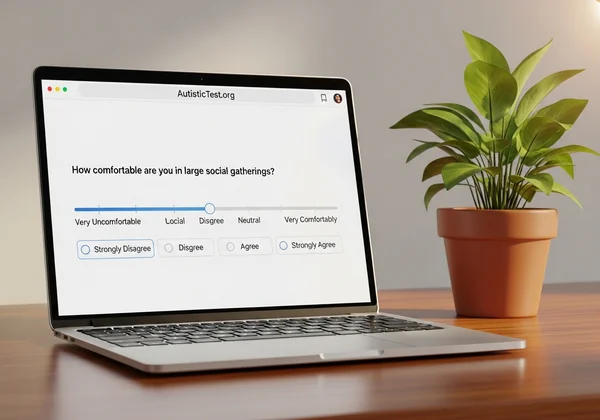
Get Your Personalized Analysis
Unlike a simple quiz that gives you a score, our tool offers an option for a personalized AI report. This analysis breaks down your results into strengths, challenges, and life advice, helping you understand the specific flavor of your neurodivergence.
While this article focuses on adults, many readers are parents asking: do autistic toddlers know they are different?
Observing Signs Before Speech Develops
Toddlers generally do not have the cognitive development to compare themselves socially to others. They live in the moment. However, they may feel frustration when they cannot communicate their needs or when their sensory environment becomes overwhelming.
Supporting Your Child's Unique Perspective
As a parent, your role isn't to force them to fit in, but to bridge the gap. If you notice your child playing differently or reacting intensely to sensory input, they may not "know" they are autistic, but they certainly know what makes them feel safe. Early understanding helps you create that safety.
Embracing Your Unique Neurotype
So, do autistic people know they are autistic? Eventually, many do, but the journey to that realization is often long and winding. Whether you have a formal diagnosis or are simply exploring the possibility, knowing yourself is the most powerful tool you have.
Your brain is not broken; it is simply wired differently. By understanding these differences, you can stop fighting against your nature and start building a life that supports it. If you are ready to dig deeper, check your traits with this autism test and begin your path to clarity today.
Frequently Asked Questions
Do autistic people feel empathy?
Yes, absolutely. This is a common myth. Many autistic people experience affective empathy (feeling what others feel) very intensely. The struggle is often with cognitive empathy (intuitively guessing what someone else is thinking) or knowing how to display that empathy socially.
At what age is autism usually diagnosed?
Autism can be diagnosed as early as age 2. However, for those with high-functioning autism (Level 1 ASD), diagnosis often doesn't happen until late adolescence or adulthood, when social demands exceed their capacity to mask.
Is self-diagnosis valid in the autism community?
Many in the autistic community view self-diagnosis (or self-identification) as valid, especially given the barriers to professional diagnosis such as cost, gender bias, and lack of specialists. It is seen as a crucial first step in seeking support and community.
What are the recommended next steps if I relate to these signs?
If you relate to the traits described here, start by educating yourself. Read books by autistic authors, engage with the community, and use screening tools to organize your thoughts. If you need accommodations for work or school, consider seeking a formal evaluation from a neuropsychologist.