Building Meaningful Relationships as an Autistic Adult: A Guide to Connection
The desire for deep, meaningful connection is a universal human experience. However, for many autistic adults, the path to building these connections can feel like navigating a complex social maze without a map. If you have spent years feeling "different" or wondering why social interactions seem to exhaust you more than others, you are certainly not alone.
Have you ever felt like everyone else was given a social rulebook that you somehow missed?
Getting to know your neurotype is the perfect starting point for relationships that truly resonate with you. Many adults only discover they are on the autism spectrum later in life. This discovery often brings a sense of relief and clarity. To begin your journey of self-discovery, you can start the test on our homepage to see how your traits align with the autism spectrum. This guide will help you navigate friendships and romance while honoring your authentic self.
Understanding Your Autistic Neurotype in Social Contexts
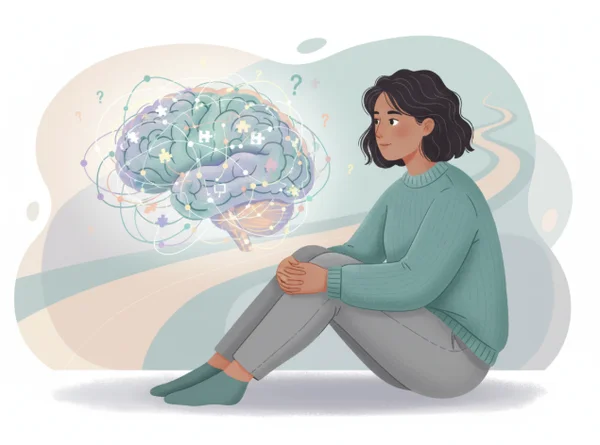
To build better relationships, you must first understand how your brain processes social information. Autism is not a "deficit" in the ability to connect. Rather, it is a different way of experiencing the world. Once you understand your specific patterns, you can stop blaming yourself for social struggles. Instead, you can start finding tools that actually work for you.
How Autism Spectrum Traits Impact Social Communication
Autistic social communication often differs from neurotypical "norms" in several key ways. For many autistic adults, communication is direct, honest, and focused on information exchange. While neurotypical people might use a lot of "small talk" or "social cushioning," autistic individuals often prefer getting straight to the point.
Non-verbal cues are a major factor in social communication. You might find it difficult to read between the lines, notice subtle sarcasm, or maintain eye contact while speaking. This isn't because you aren't interested. It is because your brain is prioritizing the actual words being said. Another common trait is "masking," where you consciously mimic social behaviors to fit in. While masking can help you get through a work meeting, it makes building a meaningful connection very difficult because you aren't showing your true self.
Sensory processing also plays a huge role. A loud cafe or a crowded party can cause sensory overload. This makes it nearly impossible to focus on a conversation. If you are struggling to hear a friend over the background noise, you might appear distant or annoyed when you are actually just overwhelmed. Understanding these traits helps you explain your experience to others. To get a better look at your specific communication patterns, you can see your results through our detailed screening tool.
Recognizing and Accommodating Your Social Needs
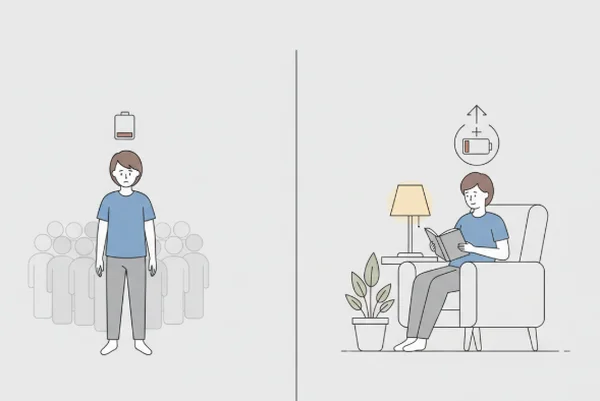
A vital part of being an autistic adult is knowing your "social battery" limits. Neurotypical social standards often suggest that "more is better"—more parties, more friends, more talking. For a neurodivergent person, quality always beats quantity.
You might find that you need "decompression time" after a social event. This is not a sign of being anti-social; it is a physiological need for your nervous system to reset. Accommodating your needs might look like:
- Choosing quiet environments for meetups.
- Setting a specific "end time" for social gatherings.
- Communicating your need for "parallel play" (being in the same room as someone but working on separate tasks).
When you understand your social energy, you can set healthy boundaries. Instead of pushing yourself until you burn out, you can tell a friend, "I really value our time, but I only have the energy for a one-hour coffee today." This honesty builds trust and ensures that the time you do spend together is high-quality. Taking an autistic traits test can help you identify which areas of social interaction are most draining for you.
Practical Strategies for Building Autistic-Appropriate Connections
Once you understand how your brain works, you can start using strategies that align with your neurotype rather than fighting against it. Building "autistic-appropriate" connections means finding people who value your directness and respect your boundaries.
Friendship Development for Autistic Adults
Making friends as an adult is hard for everyone, but autistic adult friendships often flourish best when they are built around shared interests or "special interests." In the autistic community, sharing deep knowledge about a topic is a form of bonding.
Finding compatible friends is easier when you join groups centered around hobbies like gaming, coding, gardening, or history. These settings give you a structured reason to be together, which reduces the pressure of unstructured small talk. Here are a few tips for maintaining these friendships:
- Be Clear About Communication: Tell your friends that you prefer direct communication. For example, "I don't always pick up on hints, so please tell me directly if you need something."
- Shared Activities: Focus on doing things together rather than just "sitting and talking." This takes the pressure off constant eye contact and verbal flux.
- Check-in Rituals: If you struggle to remember to reach out, set a reminder on your phone to send a quick text to a friend once a week.
Remember, you don't need a huge circle of friends. Having one or two people who truly "get" you is much more valuable than having twenty acquaintances who expect you to mask your traits. If you are unsure where you stand, taking an AQ test online can provide clarity on your social preferences.

Romantic Relationships on the Autism Spectrum
Dating and romantic relationships present a unique set of challenges and rewards. The "unwritten rules" of dating—such as flirting, timing of texts, and reading romantic interest—can be incredibly confusing. However, autistic adults often bring incredible loyalty, honesty, and deep passion to their partnerships.
When dating on the autism spectrum, honesty is your best tool. Many people find success by disclosing their neurodiversity early on. This filters out people who aren't a good match and opens the door for clear communication. For example, you can explain that you might need "stimming" time to regulate your emotions or that you have specific sensory preferences regarding touch.
In a long-term relationship, "love languages" might look different. Your way of showing love might be sharing deep knowledge about a topic you love or performing practical tasks for your partner. It is important to discuss these differences openly. A partner who understands that your "need for space" isn't a rejection of them, but a way for you to stay healthy, is a partner who will help you thrive. You can use a free online test to help a partner understand the common traits associated with your neurotype.
Embracing Your Relationship Journey
As an autistic adult, building meaningful connections isn't about changing yourself to fit some standard—it's about finding people who value your authentic self. This process requires radical self-acceptance and finding people who appreciate the way your mind works. Your directness, your deep interests, and your unique perspective are strengths, not flaws.
The journey starts with self-awareness. By understanding your communication style and your sensory needs, you can build a life filled with authentic, supportive connections. You deserve relationships where you don't have to hide who you are.
If you are ready to learn more about your unique profile of traits, we invite you to visit our homepage. Taking the autistic test is a private, free, and scientifically informed way to begin exploring your neurotype. Whether you are looking for clarity for yourself or information to share with a loved one, our AI-powered reports can provide the personalized insights you need to move forward with confidence.
Frequently Asked Questions About Autistic Relationships
How do I know if someone is interested in me romantically?
Reading romantic interest can be difficult because it often involves subtle body language. The best approach is often to ask for clarification. You might say, "I enjoy spending time with you, and I'm wondering if you see this as a friendship or something more?" Being direct saves time and reduces anxiety.
How can I explain my social needs to potential partners?
Try using "I" statements that focus on your needs rather than their actions. For example, "I have a limited social battery. After a long day, I need about an hour of quiet time to feel like myself again. It's not about you; it's how I recharge." Most supportive partners will appreciate the clear guidance. You can also suggest they look at a free screening tool to learn more about common autistic traits.
What if I'm too "intense" in relationships?
What some call "intensity" is often just deep passion and honesty. In the right relationship, your focus and dedication are seen as assets. If you feel you are overwhelming someone, ask for feedback. Clear boundaries, such as "Let's talk about this hobby for 20 minutes, then switch topics," can help balance the conversation.
How do I handle rejection as an autistic person?
Rejection is hard, and many autistic people experience "Rejection Sensitive Dysphoria" (RSD), which makes the pain feel more intense. Remember that rejection is often about compatibility, not your value as a person. It means that specific "click" wasn't there. Each experience is a chance to learn more about what you need in a partner.
Are there dating sites specifically for autistic adults?
Yes, there are several apps and websites designed for neurodivergent individuals, such as Hiki or Tiimo's community features. However, many autistic adults also find success on mainstream apps by being very clear in their bios about their interests and communication styles. Understanding your traits first by taking an online autistic test can help you write a more authentic profile.