Autism Level 3: Meaning, Symptoms, Support Needs, and What to Do Next
Autism level 3 means a person needs very substantial support with social communication, flexible behavior, sensory regulation, daily routines, or a mix of these areas. The label can sound heavy, especially when a parent is searching late at night or an adult is trying to understand old records. It is better to read it as a support description, not a verdict on intelligence, personality, affection, or future growth. If you are still sorting out autistic traits, an online autistic traits screener can be a gentle first reflection point, but level 3 questions belong in a careful clinical evaluation with qualified professionals.

What Autism Level 3 Means
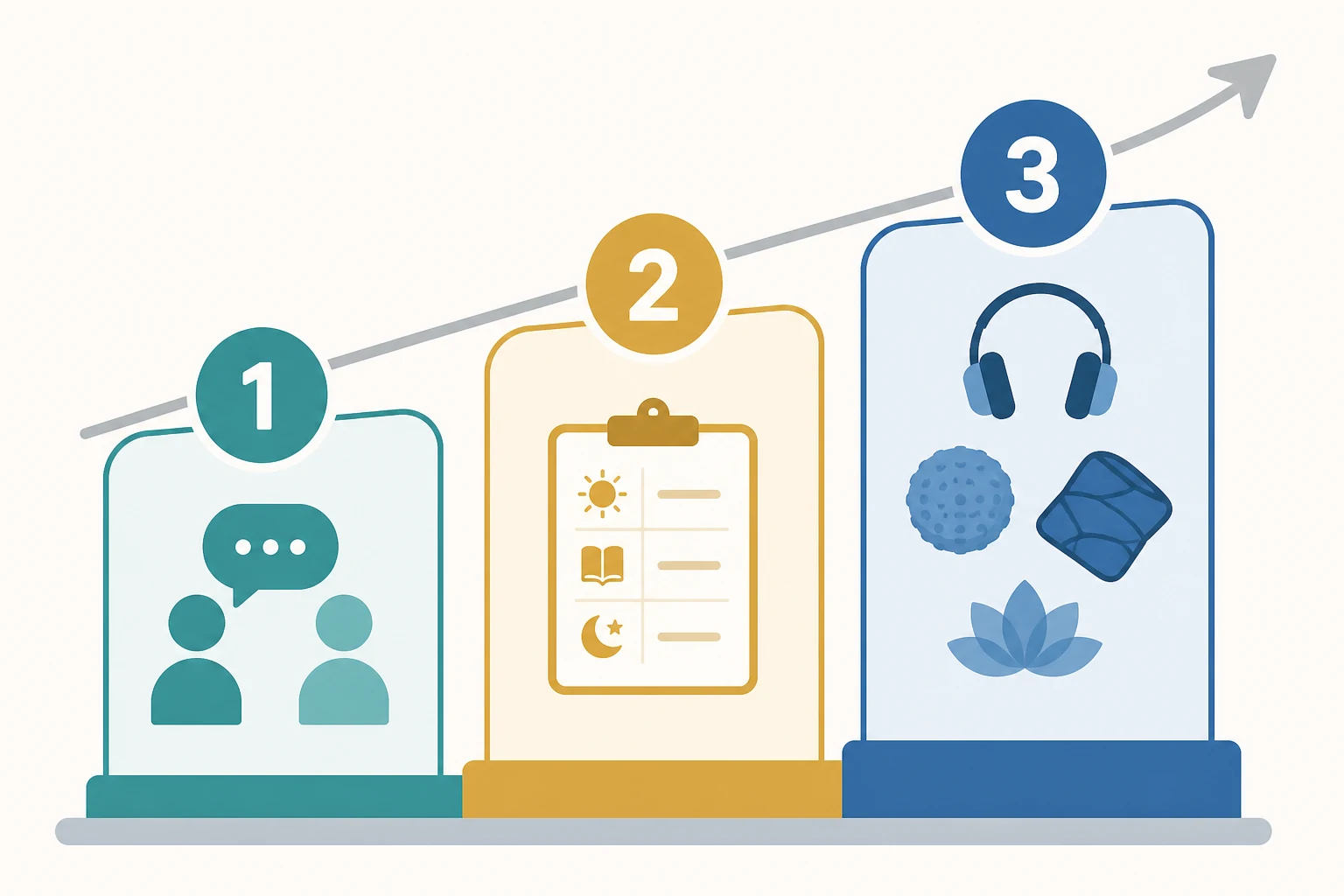
The autism levels used in the DSM-5 describe support needs. Level 1 means support is needed. Level 2 means substantial support is needed. Level 3 means very substantial support is needed. These levels are considered across two broad areas: social communication and restricted, repetitive patterns of behavior. A person may need major help in both areas, or the level may reflect one area that strongly affects daily life.
Level 3 autism is often associated with very limited spoken language, minimal initiation of social interaction, strong reliance on routine, intense distress during transitions, sensory differences, and high support needs for daily living. Some people use few spoken words. Some use AAC, sign, gestures, picture exchange, typed words, body movements, or behavior as communication. Some speak more than expected but still need major support to understand context, regulate stress, or participate safely in daily settings.
This is why "severe autism" can be an imprecise phrase. It may point to real support needs, but it can also flatten a person's profile. Support needs can vary by environment, communication access, pain, sleep, anxiety, sensory load, school demands, caregiver stress, and whether the person has been given usable ways to express needs.
Common Level 3 Autism Symptoms and Daily-Life Signs
Level 3 autism symptoms are usually discussed in terms of support needs rather than a simple checklist. Still, families and professionals often notice patterns in several areas.
Communication differences may include few spoken words, difficulty using speech under stress, limited back-and-forth conversation, minimal response to social approaches, or strong reliance on alternative communication. A person may understand more than they can express. For that reason, low speech should not be treated as low awareness.
Social interaction may look limited, unusual, or hard to read. Some people seek connection but cannot easily initiate it. Others may prefer predictable interaction with familiar people. Eye contact, facial expression, gestures, shared attention, and play may all look different from typical expectations.
Restricted and repetitive behaviors can include repeated movements, repeated sounds, intense interests, lining up objects, rituals, or strong distress when routines change. These behaviors may help the person regulate, communicate, or create predictability. The concern is not that the behavior is "different"; the concern is when distress, rigidity, or safety risks interfere with health, learning, sleep, eating, school, or family life.
Sensory needs can be intense. Sounds, lights, textures, smells, clothing, grooming, crowds, or unexpected touch may be painful or overwhelming. Some people seek deep pressure, movement, or repetitive input to feel organized. A useful support plan treats sensory needs as real, not as misbehavior.
Daily living support may include help with dressing, bathing, eating, toileting, sleep routines, transitions, safety awareness, transportation, medical visits, and school participation. The exact pattern matters more than the label.
Autism Level 1, 2, and 3 Compared
The three autism levels are not personality types and they are not a ladder of human value. They are a rough way to describe how much support someone may need at a given time. The table below gives a simple comparison.
| Autism level | Support phrase | What it may look like | Support may include |
|---|---|---|---|
| Level 1 | Requires support | Social communication, flexibility, organization, or sensory regulation may be hard, especially without supports. | Coaching, routines, therapy, accommodations, and planning for school, work, or home. |
| Level 2 | Requires substantial support | Communication and behavior flexibility are more visibly affected across settings. | More consistent therapy, structured routines, communication supports, and caregiver or school coordination. |
| Level 3 | Requires very substantial support | Communication, transitions, sensory needs, and daily living may require frequent hands-on support. | AAC, intensive individualized support, adapted environments, caregiver training, and coordinated professional care. |
A common search asks, "What are the 5 levels of autism?" In current DSM-5 language, autism is described using three support levels, not five. Older terms and informal labels still appear online, but they often mix severity, language ability, IQ, independence, and support needs in confusing ways.
If you are comparing a screening result with autism levels, keep the categories separate. A questionnaire can help organize observations about traits. It cannot assign a clinical support level by itself. For self-reflection before an appointment, a structured AQ-style autism screening tool may help you notice patterns worth discussing, while the formal level depends on a broader evaluation.
Level 3 Autism in Toddlers and Children
Level 3 autism in toddlers may involve early and obvious communication differences, limited social imitation, little pretend play, intense sensory reactions, repetitive movements, strong distress with change, feeding challenges, sleep problems, or delayed adaptive skills. Some toddlers may not use spoken words. Others may lose words or use language in a limited, repeated, or highly specific way.
Parents should not wait for every sign to appear before raising concerns. Developmental concerns deserve attention even when the final explanation is uncertain. Pediatric care often includes developmental surveillance, autism-specific screening at recommended ages, hearing checks when language is delayed, and referrals for early intervention or specialists when concerns are present.
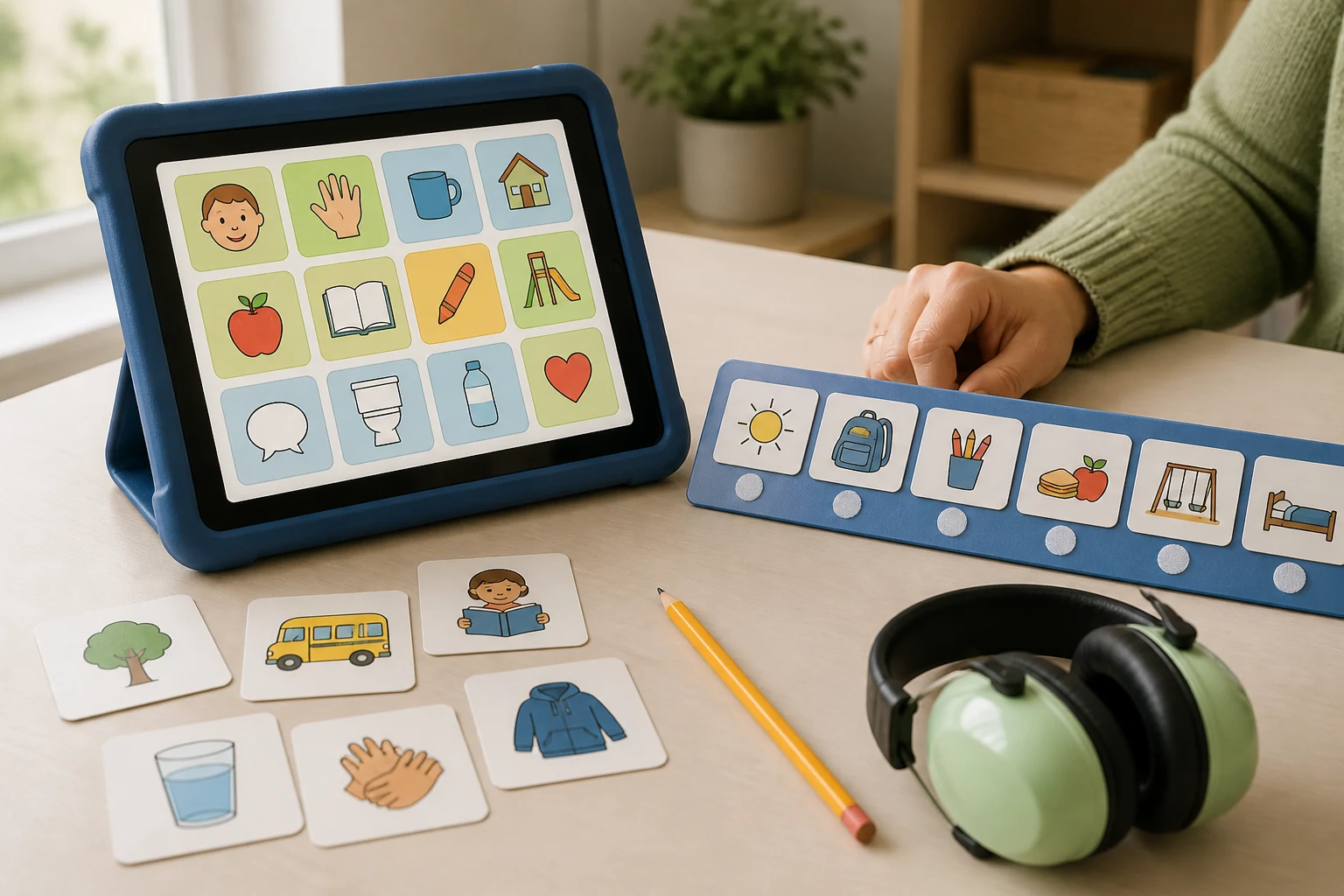
For children with high support needs, progress is often measured in practical steps: using a picture to request a break, tolerating a toothbrushing routine for a few seconds longer, transitioning with a visual countdown, sleeping more predictably, communicating pain, or joining a shared activity for a short time. These gains may look small from the outside and enormous inside the family system.
Can Level 3 Autism Include Speech, High IQ, or Change Over Time?
Yes, level 3 autism can include speech. The level does not mean a person never talks. Some people at this level use no spoken language. Some use single words or short phrases. Some speak more fluently but need very substantial support because communication breaks down under stress, social understanding is limited, behavior flexibility is very hard, or sensory and daily living needs are intense.
Yes, a person with level 3 autism can have areas of strong ability, including strong memory, pattern recognition, music, visual thinking, technical interests, humor, affection, or problem solving. IQ testing may be difficult when a person has limited speech, motor planning differences, anxiety, sensory overwhelm, or little access to AAC. A low test score may reflect the testing conditions as much as the person's learning potential.
Support needs can also change. A person may need less help in a familiar, well-adapted environment and much more help in a loud clinic, crowded classroom, unfamiliar store, or painful medical situation. Communication access, sleep, health, sensory supports, anxiety care, school fit, and caregiver training can all affect daily functioning. Autism itself is lifelong, but skills, comfort, safety, and participation can improve.
Practical Support Needs to Discuss With Professionals
For autism level 3, the most useful plan is usually specific, visual, and shared across settings. Instead of asking only "How severe is it?" ask what the person needs to communicate, stay safe, learn, rest, and participate.
Key areas to discuss include:
- Functional communication: speech, AAC, gestures, picture exchange, typed communication, or a combined system.
- Sensory regulation: lighting, sound, clothing, movement, deep pressure, quiet space, and recovery time.
- Daily living: feeding, hygiene, dressing, toileting, sleep, safety awareness, and community routines.
- Transitions: visual schedules, countdowns, first-then language, previews, and backup plans.
- Behavior support: what the behavior may communicate, what happens before it, and what safer replacement skills can be taught.
- Education: individualized learning goals, classroom supports, related services, and communication access.
- Medical and mental health: pain, sleep, seizures, gastrointestinal issues, anxiety, ADHD, and other co-occurring concerns.

Autism Level 3 Life Expectancy and Quality of Life
Searches for level 3 autism life expectancy often come from fear. The careful answer is that autism level alone should not be used to predict a person's lifespan. Research on autistic people has found higher health and safety risks in some groups, especially when intellectual disability, epilepsy, communication barriers, wandering, mental health conditions, sleep problems, or poor access to care are present. But an individual person's outlook depends on many factors.
The more practical question is: what risks can be reduced now? Families and care teams can focus on communication for pain and needs, safe sleep, seizure care when relevant, nutrition, movement, dental care, sensory-aware medical visits, water and traffic safety, mental health support, and respite for caregivers. Quality of life also includes joy, choice, relationships, meaningful routines, and respect for the person's preferences.
Using Screening Results With Care
If you are using online information because something feels unclear, treat it as a way to organize observations, not as a final answer. Write down what you see across settings: communication, sensory patterns, routines, play or relationships, sleep, safety, eating, and daily living. Bring examples, not just labels, to a pediatrician, psychologist, developmental specialist, speech-language pathologist, occupational therapist, school team, or other qualified professional.
For adults, screening can still be useful when reviewing lifelong patterns, masking, burnout, sensory needs, and daily support. For parents, it can help turn scattered concerns into a clearer conversation. AutisticTest.org positions its tools as educational screening and self-reflection, so an autistic traits self-reflection starting point can support preparation while leaving clinical decisions to appropriate professionals.
FAQ
What is autism level 3 in simple terms?
Autism level 3 means the person needs very substantial support, especially with communication, flexibility, sensory regulation, daily routines, or safety. It is a support-needs description, not a complete picture of the person's abilities, personality, or future.
Can level 3 autism be normal?
"Normal" is not a very helpful goal. A person with level 3 autism may develop, learn, connect, and enjoy life in ways that are meaningful, but they will usually need substantial accommodations and support. The better question is what helps this person communicate, feel safe, participate, and be respected.
Can level 3 autism have high IQ?
Yes, it is possible for someone with high support needs to have strong cognitive abilities or uneven skills. Standard IQ testing can be hard to interpret when speech, motor planning, anxiety, sensory overwhelm, or AAC access affects performance.
Is level 3 autism considered disabled?
Autism can be considered a disability, and level 3 usually reflects significant functional support needs. Eligibility for services, school supports, or benefits depends on local rules and individual evaluation. Families should ask providers or school teams about documentation and support options.
Does level 3 autism ever talk?
Some people with level 3 autism talk, some use limited speech, and some do not use spoken words. Communication can also include AAC, typing, picture systems, gestures, signs, behavior, facial expression, and body movement. Access to communication support matters.
How many levels of autism are there?
Current DSM-5 language uses three autism support levels: level 1 requires support, level 2 requires substantial support, and level 3 requires very substantial support. Online references to five levels usually come from informal or older frameworks, not the current support-level model.
What should I do if I think my child has level 3 autism?
Write down specific examples and speak with your child's pediatrician, early intervention program, school team, or a qualified developmental specialist. Ask about communication support, sensory needs, safety, sleep, feeding, adaptive skills, and referrals for a full evaluation.